
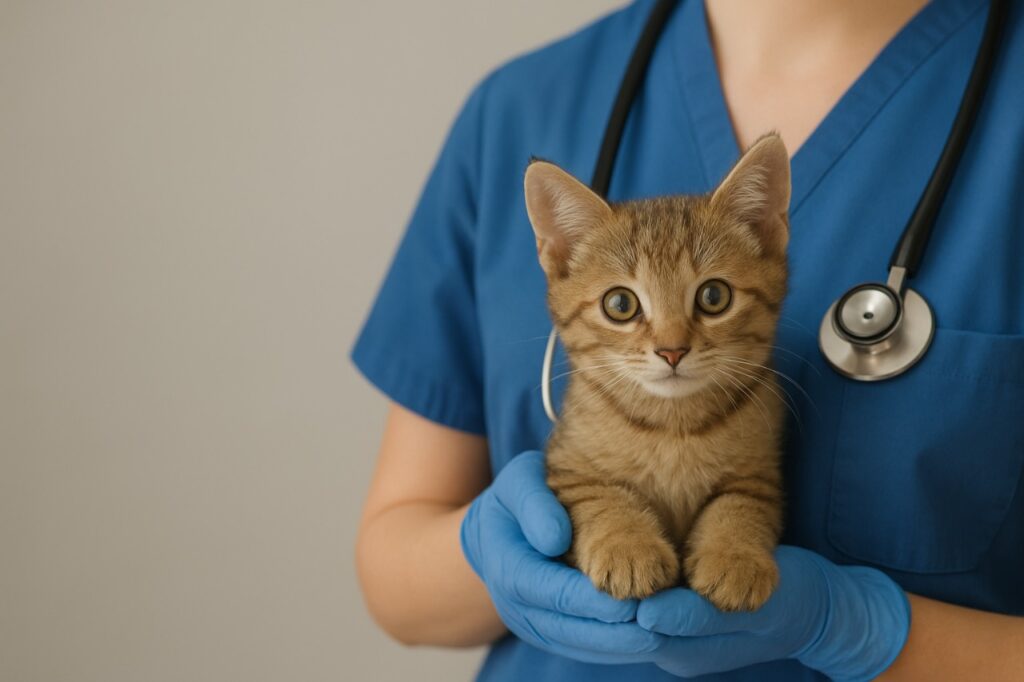
When you bring your dog or cat to East York Animal Clinic in East York, Toronto, routine care often includes a fecal check. Fecal parasite testing Toronto helps find intestinal parasites early so treatment is easier and safer. This short, clear guide explains what the test is, why it matters, how to collect a sample, and how the clinic uses testing in its wellness exams.
What is Fecal parasite testing Toronto and why it’s included in wellness exams
Fecal parasite testing Toronto is a simple laboratory check of your pet’s stool. At East York Animal Clinic, a fecal examination is part of the diagnostics available during a wellness visit. The test looks for worms, protozoa, and other intestinal parasites that can cause illness in pets. Regular inclusion of fecal checks is a core part of preventive care.
Clear signs that mean you should get testing now
Sometimes pets show obvious signs and sometimes they don’t. Watch for symptoms such as diarrhea, vomiting, weight loss, poor coat, or ongoing digestive upsets. These symptoms indicating need for parasite testing should prompt an immediate stool check. If you suspect anything, the clinic can add an intestinal parasite screen during your visit.
The benefits of an annual parasite panel pets at your clinic visit
An annual parasite panel pets combines a fecal check with other routine diagnostics. Early detection lowers the chance of serious disease and reduces treatment complexity. The clinic lists fecal examination alongside blood work and urinalysis as core diagnostic services during wellness exams — making annual parasite screening part of good pet care.
Why pet owners should know about zoonotic parasites Toronto
Some parasites found in pets can spread to people. Knowing about zoonotic parasites Toronto helps you protect family members. Regular Fecal parasite testing Toronto and simple hygiene steps reduce zoonotic parasite risks and prevention at home.
How often to test: practical fecal parasite testing frequency recommendations
Most vets recommend fecal testing at least once a year during a wellness visit. Ask your vet about how often to do fecal tests for dogs and whether your cat needs more frequent checks. East York Animal Clinic generally builds fecal exams into annual wellness care, with adjustments for age and health.
Collecting a stool sample: simple steps for reliable results
Follow these easy steps to make testing accurate:
- Scoop a fresh stool sample into a clean, labeled container.
- Keep it cool (refrigerate) and bring it to the clinic promptly.
- Ask the team about specifics — they can explain the best how to collect fecal samples for testing practices.
Good samples make fecal testing more reliable and speed up diagnosis.
Testing for both Dogs and Cats — the importance of stool sample testing for cats
Cats can carry worms and protozoa too. The importance of stool sample testing for cats is that many infections show few signs early on. Regular checks let your vet treat issues before they worsen. East York Animal Clinic includes fecal exams in preventive care so both dogs and cats benefit.
Spotting Signs of Intestinal Parasites in Pets Toronto
Local owners should know the telltale changes. When you notice ongoing diarrhea, unexplained weight loss, or visible worms, those are signs of intestinal parasites in pets Toronto and a good reason to request a fecal exam during your appointment. The clinic recommends bringing up these signs at check-in so a stool test or intestinal parasite screen can be added if needed.
Preventing spread in homes and multi-pet households
If you have several animals, parasites can move between pets. Following preventing parasite transmission in multi-pet households routines — regular fecal tests, monthly parasite control, and cleaning bedding — keeps everyone safer. Combining prevention with Fecal parasite testing Toronto reduces ongoing risk.
What parasites are looked for in stool testing for worms and protozoa in pets
Common targets include roundworms, hookworms, whipworms, and protozoa like Giardia. A fecal exam reveals eggs or organisms and helps the veterinarian plan treatment. That’s why dog and cat fecal testing is an important part of routine wellness care.
What to expect after testing: treatment and follow-up
If a parasite is found, treatment is usually straightforward: targeted medication and repeat testing. Timely treatment improves recovery and shows the benefits of early parasite detection for pets — shorter illness, less risk to other pets, and fewer complications.
Simple FAQ on Fecal parasite testing Toronto
Q: Will my pet always need a sample?
A: Not always. The vet decides based on history and signs. If a sample is requested, bring a fresh stool for testing.
Q: Is testing included in an exam?
A: Many wellness exams at East York Animal Clinic include or recommend fecal checks as part of preventive diagnostics.
Q: Are there standard protocols?
A: Yes — clinics follow annual parasite screening protocols Toronto and adapt those protocols per pet needs. These protocols guide when to test and how to follow up when parasites are found.
Final note: routine testing keeps pets and people safe
Regular Fecal parasite testing Toronto is a simple, effective habit that protects your pet and family. With clear fecal parasite testing frequency recommendations, good sample collection, and the support of East York Animal Clinic, annual parasite screening becomes an easy part of annual wellness care. If you have any concerns about pet stool test East York, symptoms indicating need for parasite testing, or zoonotic parasite risks and prevention, call the clinic and ask about a fecal exam at your next visit.
Keep Your Pets Safe — Book a CheckupReady to keep your pet healthy? Book your pet’s wellness exam at East York Animal Clinic and include Fecal parasite testing Toronto during your visit. Ask the team about sample collection and any follow-up care. Visit East York Animal Clinic’s website or call the clinic to schedule your appointment today — early testing protects pets and people.