
Year-Round Parasite Control: Why Toronto Pets Need Ongoing Protection
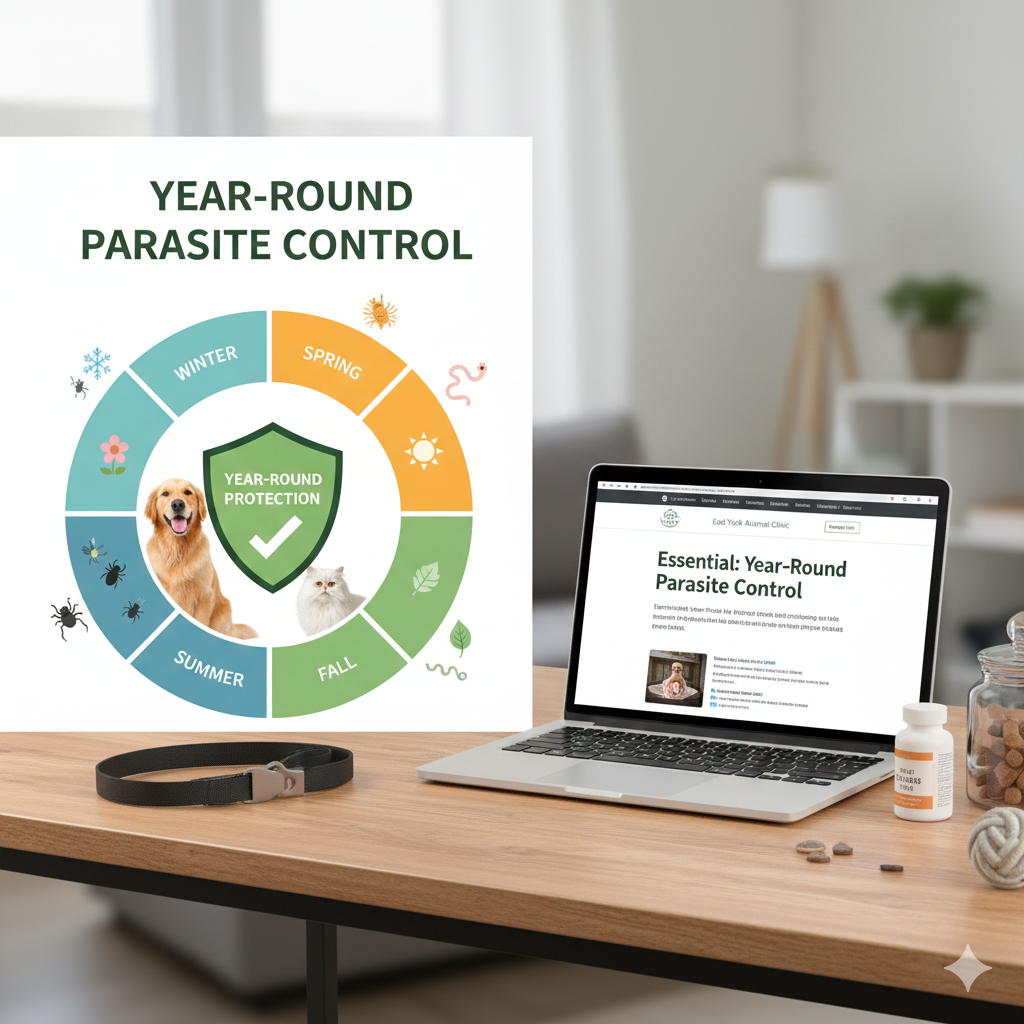
Keeping pets healthy and safe is a responsibility that lasts all year long. While many pet owners focus on parasite protection only in the summer, the truth is that parasites can threaten your pet’s well-being in every season. In Toronto’s changing climate, dogs and cats need consistent care to stay protected. That’s why year round parasite control is so important. It ensures your pets stay comfortable, protected, and free from the many risks parasites can cause. At our animal hospital in Toronto, your pet’s health and well-being are our top priorities. From preventive healthcare to advanced surgical procedures, our vet clinics in Toronto are committed to keeping your furry companions healthy and happy. This includes guiding families on the best routine for year round parasite control to protect their dogs and cats in winter, spring, summer, and fall. This blog explains why year round parasite control is essential, how cold weather affects parasite activity, how indoor pets stay at risk, and how our veterinary team at East York Animal Clinic supports families with effective parasite prevention. We’ll also highlight our services, including our trusted Animal Surgery Clinic in East York and Cat Spay in East York. Why Year-Round Parasite Control Matters In Toronto Parasites do not fully disappear during the winter. Even when temperatures drop, many pests—such as fleas, ticks, and certain worms—remain active indoors or in protected outdoor areas. This makes year-round parasite control necessary for every pet in Toronto. Cold weather may slow infestation rates, but it does not stop parasite threats completely. Understanding how cold weather affects parasite activity helps pet owners stay alert throughout the year. For example: For these reasons, year-round parasite control ensures your dog or cat is continuously protected from harmful pests. Parasite Prevention In Winter For Pets Many owners assume winter is a safe time, but this is when some parasites become even more challenging to detect. Heating systems, cozy bedding, blankets, and indoor spaces give fleas the warmth they need to survive. This makes parasite prevention in winter for pets just as important as summer protection. With a good plan for year-round parasite control, you can prevent winter infestations from becoming a surprise problem later in the year. Our team guides pet parents on the best schedule for medications, how to manage indoor risks, and what symptoms to watch for during colder months. Indoor Pets Still Face Parasite Risk A common myth is that indoor pets are completely safe from parasites. But indoor cats and dogs still face many dangers. Items like shoes, clothing, blankets, visiting pets, and even pests like mice can bring parasites inside your home. This is why indoor pets parasite risk is real and should never be ignored. Even indoor-only pets need year-round parasite control through regular treatments and vet-recommended products. Flea And Tick Prevention In East York Living in a busy neighborhood means pets may pick up parasites on sidewalks, parks, backyards, or even during vet or grooming visits. That’s why flea and tick prevention East York is a major part of maintaining your pet’s health. Ticks can spread serious illnesses such as Lyme disease, while fleas cause itching, skin infections, and allergic reactions. Our veterinarians recommend the best parasite control for dogs and cats, based on your pet’s age, lifestyle, and medical history. These treatments are fast, safe, and simple to use—and they form a key foundation of year-round parasite control. Heartworm Control Toronto Heartworm disease is one of the most dangerous parasite infections. It is spread by mosquitoes, and even a single bite can infect your pet. Heartworm affects the lungs and heart, and treatment can be long and expensive. This makes heartworm control Toronto a crucial part of your pet’s protection plan. Combining heartworm prevention with year-round parasite control ensures your pet stays healthy, even during unpredictable weather patterns. We use vet-recommended preventatives for pets, offering monthly medications that prevent heartworm larvae from developing. This simple routine prevents the risk of severe illness later on. Recognizing The Signs Of Parasites In Pets It’s important for pet owners to understand the signs of parasites in pets so they can respond quickly and protect their pet’s long-term health. Parasites often cause noticeable discomfort, which may appear as constant scratching, frequent head shaking, or the development of hair loss and bald patches. In some cases, you may even see visible worms in your pet’s stool, which is a clear indication that immediate care is needed. More advanced infestations can lead to weight loss, pale gums, diarrhea, and vomiting—symptoms that show the parasites are affecting your pet’s overall well-being. Ignoring these signs can allow the parasite problem to worsen, making treatment more complicated and recovery slower. If you notice any of these symptoms, it’s best to contact our team for a parasite treatment Toronto clinic evaluation. Early detection not only helps prevent serious health issues but also ensures that treatment is easier, faster, and much safer for your pet. Safe Parasite Prevention Medications There are many parasite prevention medications available, but not all are suitable for every pet. Our team helps you choose the right products for your dog or cat based on factors such as: These medications are an essential part of year-round parasite control, as they protect against fleas, ticks, heartworms, and intestinal worms. Using the correct dosage regularly prevents infestations before they begin. Monthly Deworming Schedule For Pets Worms can affect pets year-round, especially when they spend time outside or share spaces with other animals. A monthly deworming schedule pets routine keeps your dog or cat safe from intestinal worms like roundworms, hookworms, tapeworms, and whipworms. This is an important part of year-round parasite control, especially for puppies, kittens, senior pets, and outdoor explorers. Holistic Parasite Prevention Methods In addition to medications, some families prefer natural or supportive options. These holistic parasite prevention methods may include: Although these methods help reduce risk, they work best when combined with year-round parasite control medications for complete protection. How Cold Weather Affects Parasite Activity Parasites do
Pet Surgery Preparation: A Friendly Guide From Consultation to Recovery

Pet surgery can feel overwhelming for many pet owners, but the right guidance makes everything easier. When you understand the complete process of pet surgery preparation, you feel more relaxed, confident, and ready to support your pet through each stage of the journey. At East York Animal Clinic, our goal is to make every pet parent feel comfortable, informed, and supported. Whether your dog or cat needs a routine procedure or a more complex treatment, our team ensures safe care, gentle handling, and personalized support from start to finish. This friendly guide will walk you through everything you need to know about pet surgery preparation—from the first consultation and tests to anesthesia, surgery day, home recovery, and follow-up care. With clear instructions and caring professionals by your side, your pet receives the highest level of attention. That’s why so many families trust us as their preferred Animal Clinic in Toronto. Understanding Why Pet Surgery Preparation Matters Good pet surgery preparation means your pet is physically and emotionally ready for their procedure. Preparation helps lower stress, reduce complications, and speed up recovery. When pet owners know what to expect and follow the instructions closely, pets feel calmer and more secure. A complete pet surgery checklist Toronto includes simple but important details such as fasting rules, comforting routines, pre-surgery tests, and home-care arrangements. When all these pieces come together, the experience becomes much easier for both pets and their families. Friendly Consultation and Honest Guidance Your pet’s journey begins with a warm and supportive consultation at East York Animal Clinic. Our team takes time to explain the surgical process in simple language, answer questions, and guide you through everything involved in pet surgery preparation. During this visit, we learn about your pet’s health, habits, and any concerns you may have. We also discuss the procedure, risks, benefits, and expected recovery. A calm and friendly environment helps pets stay relaxed, and pet parents leave feeling more confident. As one of the trusted Vet clinics in toronto, our focus is to give you full clarity and comfort right from the beginning. Important Pre-Surgery Testing for Safety Before surgery, your pet may need diagnostic tests. These tests play an essential role in pre-operative pet care and help the veterinarian understand how your pet will respond to anesthesia. Common tests include: These tests help ensure anesthesia safety for pets by showing how well their organs are functioning. Safe anesthesia depends on careful planning, and that’s why this part of pet surgery preparation is so important. If anything unusual appears in the results, the vet may adjust the plan to reduce any risks. Fasting Instructions Before Pet Surgery One of the most important topics in pet surgery preparation is fasting. Your vet will give you the exact fasting instructions before pet surgery based on your pet’s age, health, and the type of procedure. In most cases: Fasting helps lower the risk of vomiting under anesthesia. Always follow your vet’s guidelines carefully—this simple part of pet surgery preparation plays a big role in minimizing pet surgical risk. Keeping Your Pet Calm the Night Before The evening before surgery can feel emotional, but comforting your pet makes a big difference. Offer gentle affection, a warm sleeping spot, and a calm atmosphere. Avoid heavy play or long outdoor adventures. A peaceful night supports smoother surgery and faster recovery. This emotional support is just as important as physical pet surgery preparation, and pets feel more secure when they sense that everything is okay. What Happens During Pet Surgery Many pet owners feel nervous simply because they don’t know what happens during pet surgery, but the process is safer and more controlled than most people imagine. Here’s what typically happens: Throughout the entire time, your pet receives continuous pet surgical monitoring East York, which includes heart rate checks, oxygen level checks, temperature tracking, and breathing support. Our experienced team ensures complete anesthesia safety for pets, and we stay with your pet from the moment they fall asleep until they wake up again. This close monitoring reflects our dedication to high-quality care and is one of the reasons families continue to choose us as their preferred Animal Clinic in Toronto. Pain Management Helps Pets Heal Comfortably Pain control is a very important part of pet surgery preparation and recovery. Pets feel safer and more relaxed when their discomfort is managed properly. Your pet may receive injectable pain medications, oral pain relievers for home use, and anti-inflammatory medications. Our team creates a custom pain management after surgery plan to match your pet’s needs. As part of careful pet surgery preparation, we make sure your dog or cat receives the right medications and comfort measures. When pain is controlled well, pets sleep better, heal faster, and return to their normal routines sooner. Surgical Recovery for Dogs and Cats at the Clinic After surgery, your pet rests in a warm recovery area at the clinic. Our team stays close by, watching vital signs and offering comfort as your pet wakes from anesthesia. Because pet surgery preparation includes careful monitoring after the procedure, this stage of surgical recovery for dogs and cats is handled with gentle care, soft handling, and constant attention. We also update pet owners so they feel comfortable and know how their furry friend is doing. Good communication is a big part of how we support families during pet surgery preparation and recovery. After-Surgery Home Care for Pets Once your pet is ready to go home, we give you simple, clear, and friendly instructions for after-surgery home care pets. Most pets want quiet time after surgery, so a calm resting space makes recovery easier. Typical home-care includes keeping your pet in a warm, quiet room, following medication schedules, limiting movement, preventing licking with an e-collar, avoiding baths until approved, and watching for swelling or redness. You will also receive complete guidance on post-op wound care pets, such as checking the incision and keeping it clean and dry. If you ever notice something unusual,