

Wellness care is more than a simple yearly checkup; it's the foundation of your pet's long-term health, comfort, and quality of life.
At East York Animal Clinic, our pet wellness exams are comprehensive, unhurried conversations about your pet's current health and future needs. Our Ontario veterinarians take time to listen to your concerns, notice subtle changes, and create personalized care plans that evolve as your pet grows older. From energetic puppies and kittens to unusual exotic pets to senior companions navigating arthritis or kidney disease, we're here to support every chapter.
Keep your pet happy and healthy with regular wellness care. Call (416) 751-4000 or schedule an appointment online.
How Often Should Your Pet Have a Wellness Exam?
The frequency of wellness visits depends on your pet's age, health status, and risk factors.
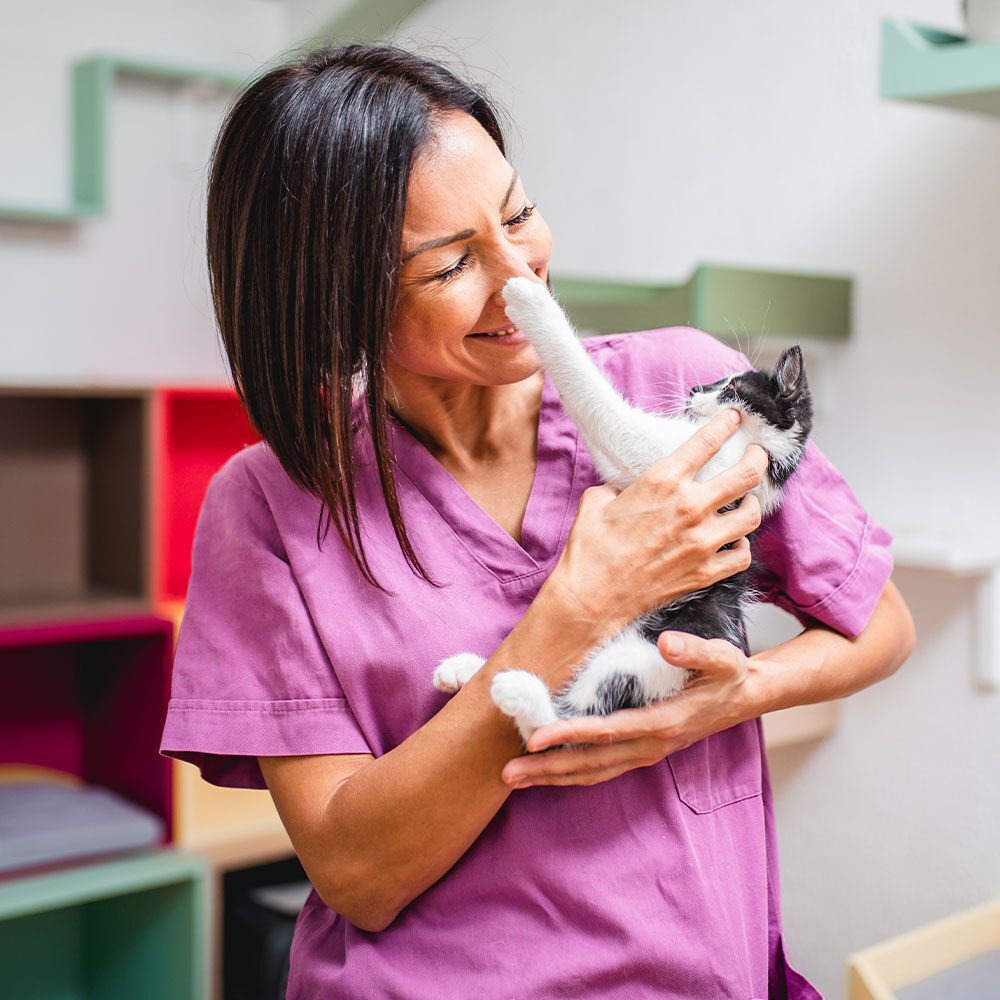
Young pets need exams every 3-4 weeks during their first few months to monitor growth, administer vaccine series, discuss spay/neuter timing, and address early behavioral concerns. These visits establish a baseline for lifelong health.
Healthy adult pets benefit from annual wellness exams. These visits allow us to catch early signs of dental disease, weight changes, heart murmurs, or developing conditions before they become serious.
Older pets age faster than we realize — six months in a senior pet's life is comparable to several human years. We recommend wellness exams every six months for senior companions to monitor organ function, manage chronic conditions like arthritis or kidney disease, and adjust care plans as needs change.
Rabbits, guinea pigs, and other small mammals benefit from annual wellness exams, though more frequent visits may be needed for dental monitoring, weight checks, or chronic health concerns. Exotic pets often hide illness until it's advanced, making preventive care especially important.
What Happens During Your Pet’s Wellness Visit
Wellness exams at East York Animal Clinic are thorough, personalized, and designed to give you a complete picture of your pet's health.
Physical Examination
We assess your pet from nose to tail: eyes, ears, teeth, skin, coat, heart, lungs, abdomen, joints, and lymph nodes. We check for abnormalities, early signs of disease, pain indicators, and changes since the last visit.
Vaccine Assessment
We review your pet's vaccine history and lifestyle to determine which vaccines are due or recommended. Vaccines are tailored to your pet's risk factors, as not every pet needs every vaccine.
Parasite Prevention Planning
We discuss flea, tick, and heartworm prevention based on your pet's lifestyle and exposure. Ontario's climate means parasites are a year-round concern, and we'll help you choose the prevention method that works best for your household.
Nutrition and Weight Management
Nutrition plays a major role in longevity and disease prevention. We assess your pet's body condition, discuss dietary needs, and provide guidance on portion sizes, food quality, and weight management if needed.
Dental Health Screening
Dental disease develops silently and affects overall health, so we evaluate your pet's teeth and gums at every wellness visit. If dental cleaning or treatment is needed, we'll discuss timing and what to expect.
Bloodwork and Diagnostics (When Appropriate)
For adult pets or those with chronic conditions, we may recommend baseline bloodwork to assess organ function, detect early disease, and guide treatment decisions. Diagnostic testing helps us catch problems before symptoms appear.
Behavioral and Lifestyle Discussion
Changes in behavior, such as increased anxiety, house soiling, aggression, and lethargy, often signal underlying medical issues. We talk through what's normal for your pet and what might warrant further investigation.
Why Preventive Care Is So Important for Pets
Wellness exams allow us to catch problems early, often before you notice symptoms. Early detection means more treatment options, better outcomes, and lower costs than waiting until a condition becomes critical.
Regular visits also establish a health baseline, which helps us identify subtle changes over time. A small weight loss, a new heart murmur, or early dental disease might not seem urgent in the moment, but catching them early prevents complications down the road.
Preventive care isn't just about avoiding illness; it's about maximizing the healthy, comfortable years you have with your pet.