Spaying or neutering your pet is an important decision, and the timing should be based on more than age alone. Our experienced East York veterinarians perform cat and dog spay and neuter surgery with personalized recommendations, careful anesthetic monitoring, and supportive guidance before and after your pet’s procedure. Our team will help you understand when surgery may be appropriate, what benefits to expect, and how to keep your pet comfortable during recovery.
Wondering when your pet should be spayed or neutered? Call (416) 751-4000 or schedule an appointment online to discuss the best timing for your pet.
When Should My Pet Be Spayed or Neutered?
The best time to spay or neuter your pet depends on their species, breed, size, age, health, lifestyle, and developmental needs. Many cats and dogs can be spayed or neutered when they are around 5-6 months old, but some pets, such as large- and giant-breed dogs, may benefit from waiting until they are a little older.
During your pet’s visit, our veterinarians will review their health history, perform an exam, and talk with you about the timing that makes the most sense. We may also discuss pre-surgical blood work, current vaccines, and any breed-specific considerations that could affect your pet’s surgical plan.
The Many Perks of Spaying and Neutering
Spaying and neutering can provide meaningful health and behavioral benefits while helping prevent accidental litters. For many pets, these procedures may help reduce certain reproductive health risks and make day-to-day life easier for families.
Potential benefits may include:
Preventing unexpected pregnancies
Eliminating heat cycles in female pets
Reducing the risk of uterine infections
Lowering the risk of some reproductive cancers
Reducing roaming related to mating behavior
Helping decrease certain marking or mounting behaviours
Supporting long-term wellness planning
What to Expect After Your Pet Has Been Spayed or Neutered
Most pets go home the same day as their spay or neuter surgery. They may feel sleepy, quieter than usual, or a little less hungry after anesthesia, and this usually improves as they rest.
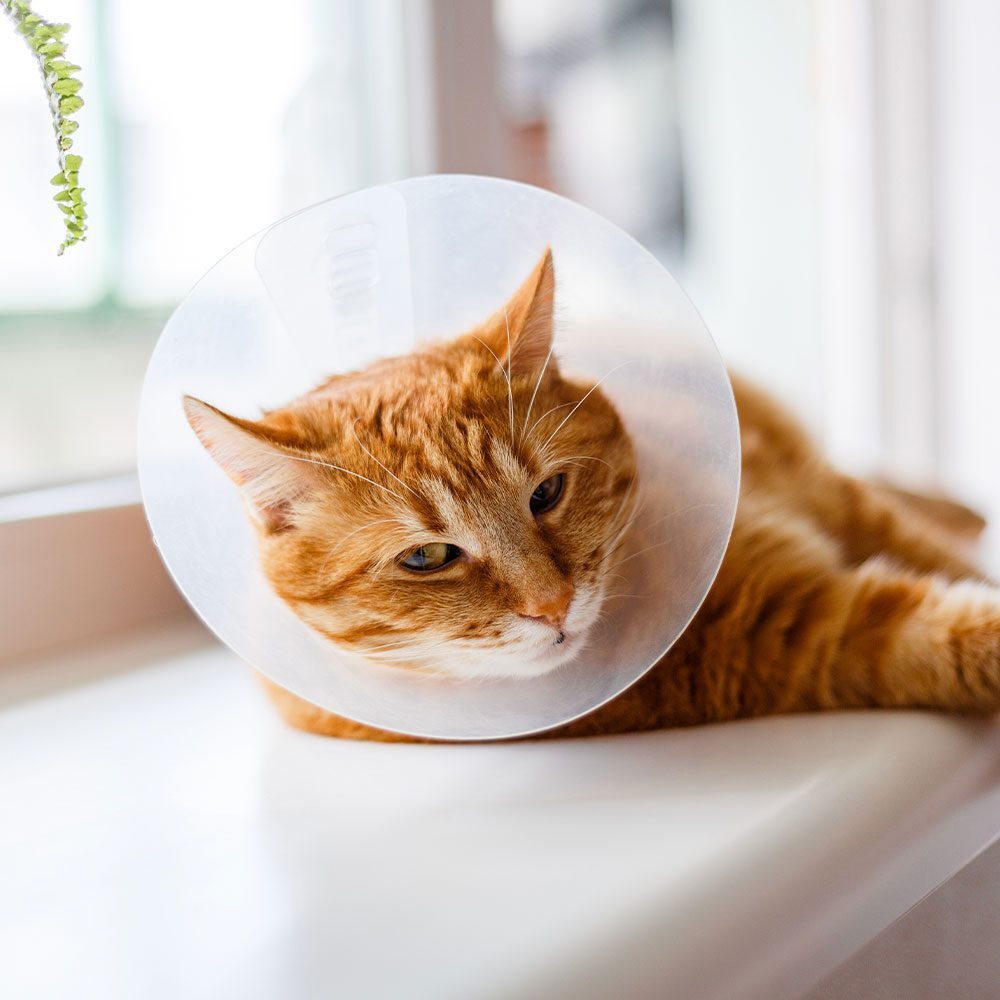
At home, your pet will need a calm recovery area, limited activity, and protection from licking or chewing at the incision. Running, jumping, rough play, and bathing should be avoided until your veterinarian says your pet has healed enough to return to normal activity.
Please call us if you notice swelling, bleeding, discharge, opening of the incision, vomiting, refusal to eat, extreme lethargy, or signs that your pet seems uncomfortable despite their pain control plan.