
Bad Signs After Cat Spay: Side Effects & What to Watch For
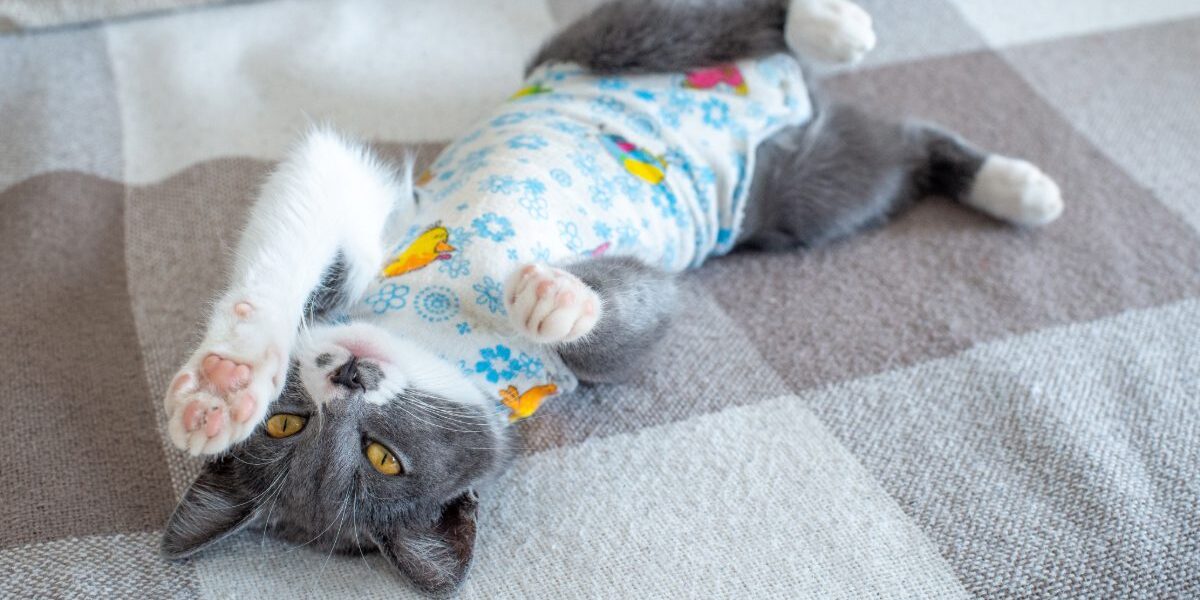
Some of the most important bad signs to watch for after a cat spay include excessive bleeding, foul-smelling discharge from the incision, swelling that worsens after the first day or two, and prolonged lethargy beyond 48 hours. While some post-operative discomfort and quiet behavior is completely normal after a spay procedure, certain symptoms signal that something may be wrong and that your cat needs to be seen by a veterinarian right away.
At East York Animal Clinic in East York, ON, we perform spay surgeries regularly and take pride in preparing pet owners for the recovery process. Knowing what’s normal and what’s not after your cat is spayed can help you feel confident during those first crucial days at home and act quickly if a complication arises.
Do Cats Act Different After Being Spayed?
Yes, cats typically act differently in the days following a spay procedure, and most of those changes are a normal part of recovery. Your cat has just undergone general anesthesia and abdominal surgery, so some behavioral shifts are expected and temporary.
Normal Behavioral Changes After a Spay
In the first 24 to 48 hours after surgery, it’s common for cats to:
- Sleep more than usual or seem unusually quiet and subdued
- Be less interested in food or water for a short period
- Move more slowly or seem reluctant to jump or climb
- Show mild disorientation or confusion as the anesthesia wears off
- Vocalize a bit more than usual, particularly if they are uncomfortable
These behaviors typically resolve within two to three days as the anesthesia clears and the initial post-operative pain is managed. However, if your cat’s behavior seems extreme or does not improve within that window, it’s worth reaching out to your veterinarian.
Long-Term Behavioral Changes After Spaying
Over the longer term, spayed cats may become calmer and less likely to engage in heat-related behaviors like yowling, restlessness, and attempts to escape outdoors. Spaying eliminates the hormonal cycles that drive these behaviors, which is one of the key reasons spaying is recommended for cats who are not intended for breeding. Any personality changes beyond this are generally subtle and most owners report that their cat’s core temperament stays the same.
What Are the Signs of Infection on a Cat Spay Incision?
Monitoring the incision site is one of the most important things you can do during your cat’s recovery from a spay. Incision infections after cat spay surgery are not the most common complication, but they do occur and catching an infection early makes treatment much more straightforward.
What a Healthy Incision Looks Like
A normal cat spay incision will appear slightly pink and may have minor swelling or bruising in the first day or two. The edges should be closed and gradually becoming less inflamed over time. By the end of the first week, the incision should look noticeably better than it did right after surgery.
Signs of Infection to Watch For
Contact East York Animal Clinic if you notice any of the following bad signs after your cat’s spay:
- Redness that spreads beyond the immediate incision edges, particularly after the first 48 hours
- Swelling that increases rather than decreases over time
- Discharge that is yellow, green, or has an unpleasant odor
- Warmth around the incision that seems excessive
- The incision opening or the edges separating (dehiscence)
- Your cat excessively licking, chewing, or scratching at the incision site
It’s worth noting that some clear or slightly pinkish discharge can be normal in the first day or two, but anything that looks infected, smells bad, or persists beyond that early window should be evaluated promptly.
Is a Cat Spay Incision Lump Normal?
The answer depends on the type of lump and when it appears.
When a Lump May Be Normal
It is relatively common for cats to develop a small, firm lump at or near the incision site during the healing process. This is often a seroma, which is a harmless fluid-filled pocket that develops as the body responds to the surgical trauma, or it may be scar tissue forming as the incision heals. A small, non-painful, non-growing lump that appears a week or two after surgery is usually not a cause for concern, but it should still be mentioned to your veterinarian at your follow-up appointment.
When a Lump After Cat Spay Is Concerning
A lump near a cat spay incision warrants a call to your veterinarian if it:
- Is growing rapidly or changing in appearance
- Is warm, red, or painful to the touch
- Appears to be draining fluid or pus
- Develops alongside fever, lethargy, or appetite loss
- Appears very soon after surgery and seems large
While most lumps following a cat spay are benign, any lump that concerns you is worth a conversation with your vet. At East York Animal Clinic, we’re always happy to take a quick look and give you peace of mind.
Why Is My Cat Lethargic After Being Spayed?
Some degree of lethargy after a cat spay is completely expected. Your cat has undergone anesthesia and surgery, both of which place real physiological demands on the body. Rest and low activity are part of how cats recover. The question is: how much lethargy is normal, and when should you be concerned?
Normal Lethargy After a Cat Spay
In the first 24 to 48 hours after a spay, your cat may sleep most of the day, show little interest in play or food, and seem quieter or more withdrawn than usual. This is normal and expected. Most cats begin to perk up noticeably within two to three days and are back to their usual energy levels within one to two weeks.
Lethargy That Signals a Problem
Lethargy that extends well past the 48-hour mark, or lethargy that is accompanied by other symptoms, is one of the more important bad signs after a cat spay that should not be ignored. Seek veterinary attention if your cat’s lethargy is paired with:
- Loss of appetite lasting more than 48 hours post-surgery
- Pale gums, which can indicate internal bleeding
- A distended or bloated-looking abdomen
- Labored or rapid breathing
- Signs of pain, such as hunching, guarding the abdomen, or vocalizing when touched
Internal bleeding, though rare, is one of the most serious complications following a spay surgery. Pale gums and a swollen abdomen in the first few days after surgery should be treated as an emergency. If you observe these signs, contact East York Animal Clinic immediately or proceed to an emergency veterinary clinic.
Supporting Your Cat Through Spay Recovery
The best way to avoid complications after a cat spay is to follow your veterinarian’s post-operative care instructions carefully. At East York Animal Clinic, we send every patient home with detailed discharge instructions, and our team is available to answer questions if anything seems off during the recovery period.
General guidelines for post-spay recovery include keeping your cat indoors in a quiet, warm space; preventing jumping and rough play for the recommended healing period; using the e-collar (cone) as instructed to prevent licking at the incision; administering pain medications exactly as prescribed; and attending your scheduled follow-up appointment.
Knowing the difference between normal post-operative changes and genuine warning signs puts you in the best possible position to support your cat through recovery. If you have any concerns about bad signs after your cat’s spay or if you’re preparing to schedule a spay surgery, contact East York Animal Clinic in East York, ON. We’re here to help every step of the way.
Recent Posts
About Us
East York Animal Clinic is a privately owned Toronto animal hospital where advanced surgical expertise meets personalized, accessible care. Our team provides everything from wellness exams, dental cleanings, and preventive care to same-day urgent care, advanced soft tissue surgery, and care for rabbits and small mammals.