
Could a Dog Tooth Infection Be Why Your Dog Isn’t Eating?
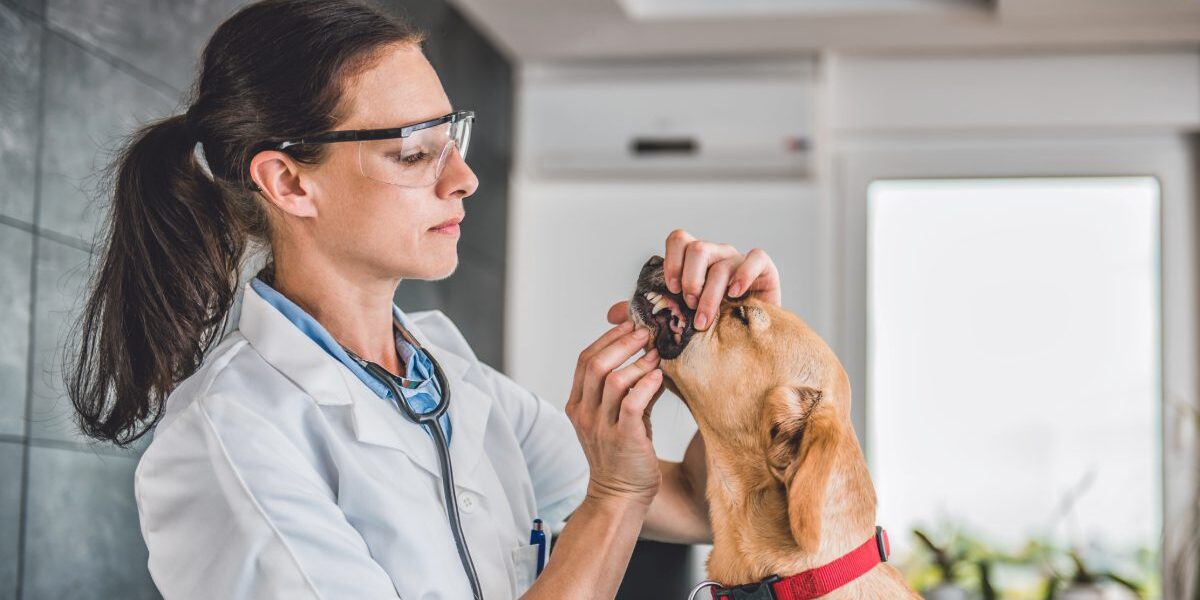
Yes, a tooth infection could absolutely be the reason your dog isn’t eating. Dental pain is one of the most common and underrecognized causes of appetite loss in dogs, and a dog tooth infection can make even the most food-motivated pup turn away from their bowl. If your dog has stopped eating or is showing reluctance around mealtime, a dental problem deserves serious consideration.
At East York Animal Clinic in East York, ON, we see dogs with tooth infections and dental disease on a regular basis. Many of these cases go unnoticed for weeks or even months because dogs are instinctively good at hiding pain. That’s why it’s so important for pet owners to recognize the early warning signs and to understand what steps to take when something seems off.
What Are the Symptoms of a Dog Tooth Infection?
A dog tooth infection, also known as a tooth root abscess or periapical abscess, occurs when bacteria invade the root of a tooth, causing a painful pocket of infection to develop. The symptoms can range from subtle to severe, and they don’t always start with obvious dental signs.
Common Signs of a Tooth Infection in Dogs
Watch for these indicators that your dog may have a tooth infection or significant dental disease:
- Reluctance to eat, chew, or pick up toys
- Dropping food from their mouth while eating
- Pawing at the face or rubbing the muzzle along furniture or the floor
- Swelling on one side of the face, especially below or around the eye
- Bad breath (halitosis) that seems more intense than usual
- Visible discoloration, cracking, or looseness of a tooth
- Drooling more than normal, or drooling tinged with blood
- Sensitivity when you touch the face, jaw, or muzzle
Can a Dog Tooth Infection Cause Swelling Under the Eye?
Yes, and this is actually a well-known presentation of a tooth root abscess in dogs. The upper fourth premolar, also called the carnassial tooth, has roots that sit very close to the tissue beneath the eye. When this tooth becomes infected, it can cause a visible, painful swelling on the side of the face below the eye that may look like a lump or abscess. In some cases, the abscess may rupture and drain through the skin. This is a veterinary emergency that requires prompt attention.
How to Treat a Tooth Infection in Dogs
Treating a tooth infection in dogs requires professional veterinary care. There is no safe or effective way to treat a tooth root abscess at home, and delaying treatment allows the infection to worsen and can lead to systemic complications, including spread of bacteria through the bloodstream.
Veterinary Diagnosis
At East York Animal Clinic, diagnosing a dog tooth infection typically involves a thorough oral examination, often under anesthesia, and dental X-rays to evaluate the health of the tooth roots and surrounding bone. Many dental problems in dogs are not visible without radiographs, which is why a professional evaluation is so important.
Treatment Options for a Dog Tooth Infection
Depending on the severity and location of the infection, treatment may include:
- Tooth extraction: In most cases of tooth root abscess, extraction is the most effective and definitive treatment
- Antibiotics: Used to control the infection, typically in conjunction with dental treatment, not as a standalone cure
- Pain management: Anti-inflammatory medications and pain relief are a critical part of recovery
- Root canal therapy: In some cases, especially for working dogs or show dogs, endodontic treatment may be a viable alternative to extraction
It’s important to understand that antibiotics alone will not cure a tooth infection in dogs. The source of infection, or the compromised tooth, must be addressed for the dog to fully recover.
Why Is My Dog Not Eating Its Food?
A dog tooth infection is one reason a dog may refuse food, but it’s not the only one. If your dog has stopped eating, it’s worth thinking about the broader picture. Loss of appetite in dogs can signal anything from a minor digestive upset to a more serious medical condition.
Other Common Causes of Appetite Loss in Dogs
Here are some reasons, beyond dental pain, that may explain why your dog isn’t eating:
- Gastrointestinal upset, nausea, or vomiting
- Stress, anxiety, or a recent change in routine or environment
- A new food that doesn’t agree with them, or a transition done too quickly
- Pain from musculoskeletal issues, such as arthritis or injury
- Systemic illness, including kidney disease, liver disease, or infection
- Medication side effects
A single skipped meal isn’t necessarily cause for alarm, but any dog that goes more than 24 to 48 hours without eating warrants a call to your veterinarian. When appetite loss is paired with other symptoms like lethargy, vomiting, weight loss, or behavioral changes, it’s important to seek care sooner rather than later.
When Should You Worry About Your Dog Not Eating?
Knowing when a dog’s lack of appetite crosses the line from “picky” to “problematic” can be difficult, especially for new pet owners. Below is a general guide to help you decide when to call East York Animal Clinic.
Seek Veterinary Attention If Your Dog:
- Has not eaten in more than 48 hours
- Is a puppy, senior, or has a known chronic health condition
- Is also vomiting, lethargic, drinking excessively, or showing signs of pain
- Has visible facial swelling, foul-smelling breath, or is pawing at their mouth
- Appears to want food but turns away or drops it after attempting to chew
That last sign or showing interest in food but unable to follow through, is a particularly strong indicator of dental pain. A dog with a tooth infection will often approach their bowl with enthusiasm, then pull away as soon as the act of chewing causes discomfort. If you notice this pattern, a dental examination should be high on your list.
Protecting Your Dog’s Dental Health Year-Round
Tooth infections in dogs are largely preventable with consistent dental care. Regular professional cleanings at East York Animal Clinic, combined with at-home dental hygiene such as brushing your dog’s teeth or providing veterinarian-approved dental chews can significantly reduce the risk of periodontal disease and tooth root abscesses.
We recommend that all dogs receive a dental examination as part of their annual wellness visit. Our team can assess your dog’s oral health, identify early signs of disease, and recommend a dental care plan that fits your dog’s individual needs.
If you’re concerned that a dog tooth infection may be why your dog isn’t eating, contact East York Animal Clinic in East York, ON to schedule an exam. Early treatment means less pain for your dog and a better outcome overall.
Recent Posts
About Us
East York Animal Clinic is a privately owned Toronto animal hospital where advanced surgical expertise meets personalized, accessible care. Our team provides everything from wellness exams, dental cleanings, and preventive care to same-day urgent care, advanced soft tissue surgery, and care for rabbits and small mammals.